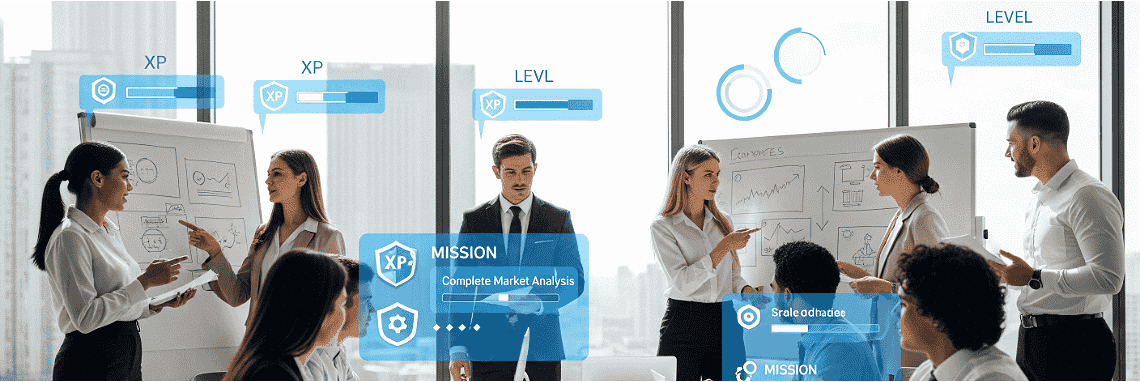
I remember the launch vividly. We unveiled our new gamified onboarding program with much fanfare. It had points for completing modules, badges for unlocking achievements, and a company wide leaderboard tracking everyone’s progress. We thought we had cracked the code. Engagement soared initially. People were logging in, clicking through content, and comparing scores. We had buzz. We had activity. We thought we had success.
Then reality set in. Six months later, we noticed new hires were still asking basic questions covered in the onboarding. Key compliance procedures were being missed. When we talked to people, they remembered competing on the leaderboard, but they struggled to recall the actual content. Our program was great at getting people to click, but it was failing miserably at getting them to learn or change their behavior. We had built a system heavy on points, but ultimately, it had no real point. We had confused gamification with “pointification.”
That costly failure forced us to go back to basics. We had been seduced by the flashy game elements without understanding the deeper psychology of motivation and learning design. We realized that using gamification effectively as a learning tool required a much more thoughtful, strategic approach. It is not just about adding game mechanics; it is about leveraging those mechanics to drive genuine learning and skill development.
The Seductive Trap: Why Points and Badges Are Not Enough (Gamification vs. “Pointification”)
Table of Contents
The terms points, badges, and leaderboards (PBLs) have become synonymous with gamification. As the original FocusU review rightly pointed out, while these elements are important extrinsic motivators, they must not be the central theme. Why did you love your favorite mobile game? Probably not just because you got points. Points are often just a byproduct, a way to keep score.
When we focus solely on PBLs, we risk creating what is sometimes called “pointification.” We are simply layering extrinsic rewards onto existing content, hoping it will magically make people learn. This often leads to short term engagement spikes driven by novelty, but it rarely leads to long term knowledge retention or behavior change. People focus on gaming the system to get points rather than engaging deeply with the material.
True gamification, especially for learning, goes deeper. As the original text defined it, gamification is the addition of game elements to a non gaming environment to make seemingly mundane tasks more appealing and challenging. It is about tapping into the underlying human drivers that make games so compelling.
What is Effective Gamification for Learning? (Defining Success Beyond Engagement)
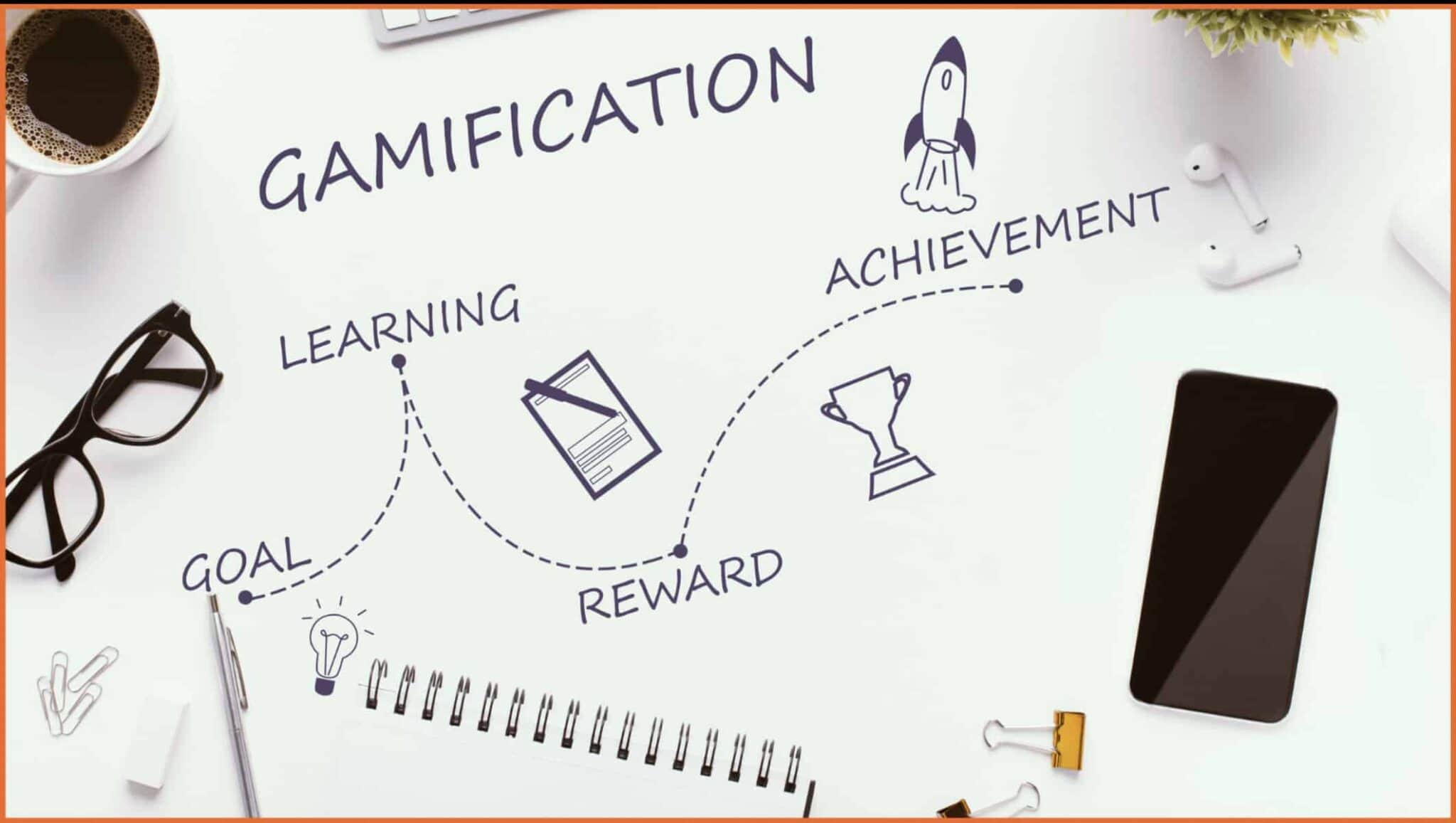
Before designing a gamified learning experience, we must define what success looks like. It is not just about completion rates or time spent on the platform. Effective gamification for learning achieves measurable results:
- Improved Knowledge Retention: Learners remember critical information longer.
- Demonstrable Skill Acquisition: Learners can perform specific tasks or apply concepts correctly.
- Observable Behavior Change: Learners use the new knowledge or skills back on their jobs.
- Tangible Performance Improvement: Application leads to better business outcomes (fewer errors, faster processes, higher sales, etc.).
If your gamification strategy is not driving these results, it might be fun, but it is not fulfilling its learning potential.
The Core Engine: Understanding Intrinsic and Extrinsic Motivation

At the heart of gamification lies motivation. As the original review explained, there are two key types:
- Intrinsic Motivation: Doing something for the inherent satisfaction, joy, or sense of accomplishment it brings. Think of pursuing a hobby you love. In the workplace, this includes feelings of mastery, purpose, autonomy, and connection.
- Extrinsic Motivation: Doing something to obtain an external reward or avoid punishment. Think of working for a paycheck, getting CRED points, or earning badges in a learning module. Workplace examples include bonuses, promotions, prizes, points, and leaderboards.
The mistake many gamification efforts make is focusing almost entirely on extrinsic motivators (PBLs). While these can be effective in the short term, sustainable engagement and deep learning are primarily driven by intrinsic factors. The most effective gamification strategies create a careful balance, using extrinsic rewards to nudge behavior but designing the core experience to tap into deeper intrinsic drives.
Also read: Your Goal Is Your Motivation
A Playbook for Purposeful Gamification Design

How do you create gamified learning that goes beyond points and truly taps into these deeper motivators? It requires intentional design choices.
Start with Why: Defining the Learning Purpose
Borrowing from Simon Sinek, the “Why” must be clear. Why should the learner invest their time? A simple narrative or a clear connection to their personal or professional goals provides a sense of direction and purpose, intrinsically motivating them to engage.
Balance the Motivators: Beyond Points
While PBLs have their place for tracking progress and providing feedback, focus design efforts on intrinsic elements. Incorporate mechanics like:
- Problem Solving: Present engaging challenges that require critical thinking.
- Curiosity: Structure content like a mystery to be unlocked, revealing information progressively.
- Achievement & Mastery: Design levels or skill trees that show clear progress towards competence.
- Storytelling: Weave a compelling narrative that provides context and emotional resonance.
- Autonomy: Give learners choices in their learning path or how they tackle challenges.
Design for Challenge & Accomplishment

As the original review noted, people like to feel accomplished. Effective gamification provides challenges that are difficult but achievable. The tasks should stimulate knowledge application and encourage experimentation. Overcoming these challenges releases dopamine, creating a positive feedback loop that reinforces learning and motivation. Ensure learners are set up for success, perhaps including ways to get help or hints, rather than making challenges impossibly frustrating.
Foster Social Connection (Competition & Collaboration)
Learning is often enhanced when done socially. Build in opportunities for:
- Healthy Competition: Leaderboards can motivate some, but consider team based competitions to reduce individual pressure. Frame competition around collective goals.
- Meaningful Collaboration: Design challenges that require learners to interact, share knowledge, or seek help from peers. Create discussion forums or team based projects within the gamified environment. A sense of belonging and community is a powerful intrinsic motivator.
Also read: What is Social Learning?
Provide Meaningful Feedback
Feedback is crucial for learning and momentum. Gamification allows for instant feedback loops. Let users know immediately if they answered correctly or applied a skill effectively. Use progress bars, level ups, or narrative cues to show them how far they have come and what is next. This feedback fuels the sense of progress and accomplishment.
Critical Considerations: Avoiding Manipulation and the Mandatory Trap

Effective gamification requires ethical considerations.
- Avoid Manipulation: Do not “over gamify.” As the original review warned, unnecessary game mechanics can feel manipulative and actually detract from the learning experience. Every element should serve a clear learning purpose. The goal is enhancement, not just embellishment.
- Mandatory vs. Autonomous: Gamification works best when participation feels voluntary or intrinsically appealing. Making a poorly designed gamified experience mandatory can backfire, breeding resentment. Focus on designing an experience so compelling that people want to participate. If it must be mandatory, ensure the design is exceptionally user friendly and clearly beneficial.
When (and When Not) to Use Gamification for Learning
As the original review wisely pointed out, gamification is not a universal solution.

- Use it When: You want to add structure to a complex process, make a mundane or repetitive task more engaging (like compliance training), reinforce knowledge over time, or foster specific behaviors (like using a new software feature). Wellness apps, as mentioned in the original text, often use gamification effectively to build habits through extrinsic rewards that lead to intrinsic satisfaction.
- Consider Alternatives When: The topic is extremely sensitive or complex, requiring deep, nuanced discussion (though gamification can sometimes be blended here). If the core issue is not engagement but rather a lack of resources, poor management, or a toxic culture, gamification will likely fail. Fix the underlying problem first.
A Powerful Tool When Used Wisely

Our initial failure with gamification taught us that it is not about finding the coolest game mechanics. It is about deeply understanding learning science and human motivation. It is about intentionally designing an experience that uses game elements not just to entertain, but to genuinely enhance comprehension, retention, and application.
Gamification is not just the “cool kid on the block.” When wielded strategically, it is a remarkably powerful tool in the L&D arsenal. It can transform passive learners into active participants, make difficult concepts enjoyable, and drive real, measurable behavior change. The key is to move beyond the superficial and focus on designing for true learning impact.
If you are looking to leverage the power of purposeful gamification for your organization’s learning needs, explore FocusU’s expertise in creating engaging and effective learning journeys at FocusU.