I once sat in a meeting where a project leader, arguably the most brilliant person in the room, completely lost control. A junior team member pointed out a small flaw in his plan. Instead of seeing it as helpful feedback, the leader’s face tightened, his voice became sharp, and he publicly dismissed the comment. The energy in the room instantly evaporated. The team clammed up, great ideas went unsaid, and the project ultimately suffered.
This leader had an impressive IQ, but his inability to manage his own emotional reaction created a toxic environment. His technical skills were world class, yet his team was disengaged. This is a scene I’ve witnessed in various forms throughout my career, and it highlights a fundamental truth of the modern workplace: your ability to understand and manage emotions, both your own and others, is one of the greatest predictors of your success.
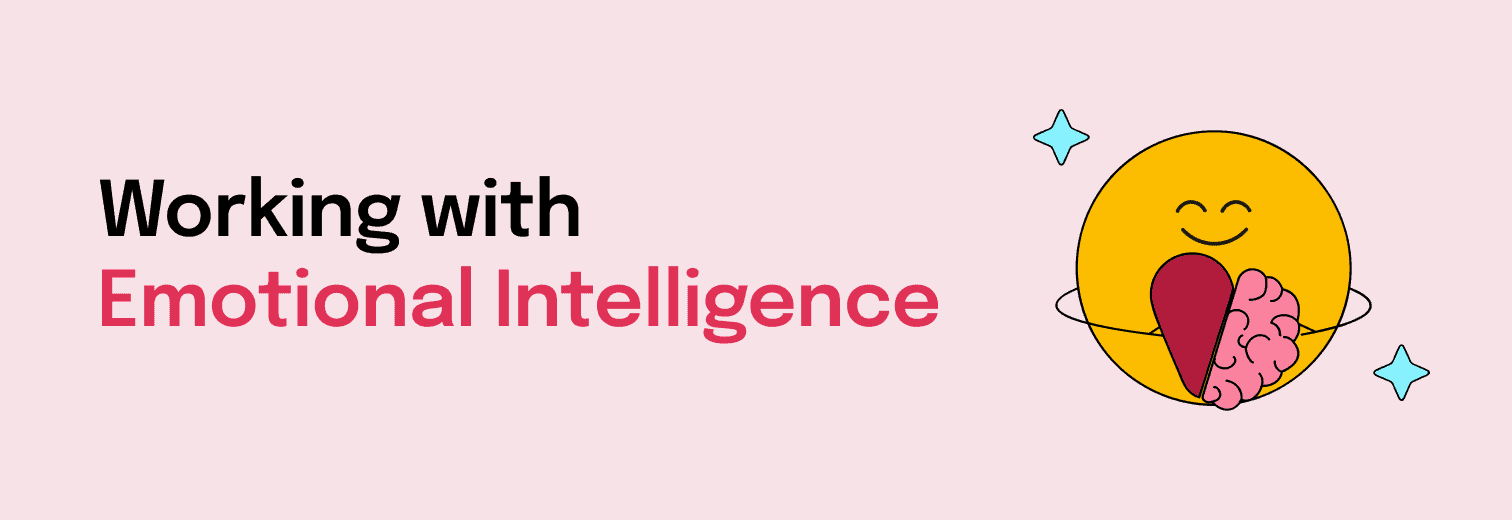
This is the core idea behind Daniel Goleman’s groundbreaking book, Working with Emotional Intelligence. He gave us a language for this essential human capability, and his work proves that emotional intelligence (EI) is not a soft skill. It is a fundamental driver of performance. Let’s explore the key takeaways from his work and how we can apply them to become better leaders, colleagues, and professionals.
What is Emotional Intelligence (And Why It Matters More Than You Think)
Table of Contents
Before we dive into the components, let’s be clear about what we are discussing. Emotional intelligence is the capacity to be aware of, control, and express one’s emotions, and to handle interpersonal relationships judiciously and empathetically.
For a long time, we believed that a high Intelligence Quotient (IQ) was the primary ticket to success. We assumed that the smartest person in the room would naturally be the most effective. Goleman’s research challenged this. While IQ is certainly important for handling the cognitive complexity of a role, he found that EI is a far greater differentiator, especially in leadership positions. Think of it this way: IQ might get you hired, but it is your Emotional Quotient (EQ) that will get you promoted.
This is not about being perpetually cheerful or suppressing your emotions. True emotional intelligence is about being smart with emotions. It is about recognizing what you are feeling and why, and then using that information to guide your thinking and behavior in a productive way.
Also read: 10 Common Cognitive Biases & How to Overcome Them
The 5 Pillars of Emotional Intelligence: A Deep Dive into Goleman’s Framework
Goleman structured emotional intelligence around five core competencies. I have found that understanding these pillars is the first step toward intentionally developing them. They are not innate traits you either have or do not; they are skills that can be learned and strengthened over time.
1. Self-Awareness: The Foundation of Everything
Goleman identifies self-awareness as the keystone of emotional intelligence. It is the ability to recognize your own emotions, strengths, weaknesses, values, and drives, and understand their impact on others. It is your internal compass.
- In Action (Low EI): A manager is feeling immense pressure from a looming deadline. When a team member approaches with a question, the manager sighs loudly and says, “Can you not see I am busy?” They are completely unaware that their stress is broadcasting as anger and intimidating their team.
- In Action (High EI): The same manager feels the same pressure. They recognize the surge of stress and the impulse to be dismissive. Instead, they take a breath and say, “My focus is a bit tight right now, but your question is important. Can you give me ten minutes to finish this thought, and then you will have my full attention?”
The difference is profound. The high EI manager acknowledges their emotional state and makes a conscious choice about how to act, preserving psychological safety and trust.
- How to Develop It: Start a simple “emotional check in” practice. Three times a day, pause for just 60 seconds and ask yourself: What am I feeling right now? What is causing this feeling? Do not judge the emotion, just name it. This small habit builds the muscle of self-awareness over time.
2. Self-Regulation: The Art of Managing Your State
If self-awareness is knowing what you feel, self-regulation is what you do with that knowledge. It is the ability to control or redirect disruptive impulses and moods. It is about thinking before you act. People with strong self-regulation are adaptable, comfortable with ambiguity, and can manage change gracefully.
- In Action (Low EI): During a company wide town hall, an unexpected policy change is announced that negatively impacts a particular team. A team member immediately hits “reply all” on the announcement email with a long, angry rant, criticizing leadership and creating widespread anxiety.
- In Action (High EI): Another team member feels the same anger and frustration. Instead of reacting impulsively, they close the email. They take some time to process the news, think about the potential reasons behind the change, and then schedule a one on one meeting with their manager to ask clarifying questions and express their concerns constructively.
Self-regulation is not about bottling up your feelings. It is about choosing to express them in a way that is productive rather than destructive.
- How to Develop It: When you feel a strong negative emotion like anger or anxiety, practice the “strategic pause.” Before you speak or type, stop. Take three deep breaths. This simple act creates a small gap between the emotional impulse and your response, giving your rational brain a chance to catch up.
Also read: 7 Tips to De-Stress Throughout the Workday
3. Motivation: The Fuel for Achievement
This is the passion to work for reasons that go beyond money or status. Goleman’s concept of motivation is about a drive to achieve for the sake of achievement itself. It is fueled by optimism, resilience, and a commitment to your goals. It is the quality that pushes you to persevere through setbacks.
- In Action (Low EI): A sales team loses a major client. One team member immediately becomes defeatist, saying, “I knew this would happen. There is no point in trying for the big accounts; we will just lose them again.” Their negativity starts to infect the rest of the team.
- In Action (High EI): Another salesperson on the same team is also disappointed. However, they see it as a learning opportunity. They say, “This is tough, but let’s figure out what went wrong. What can we learn from this that will make our next pitch even stronger?” They are looking for the lesson, not the exit.
This kind of motivation is contagious and is essential for building a resilient, high performing team.
- How to Develop It: Connect your daily tasks to a larger purpose. At the start of each week, write down your main goals and then, next to each one, write down why it matters. Who does this help? What larger company objective does it support? Finding the “why” fuels intrinsic motivation far more than a to do list.
Also read: The Secret to Team Motivation: Finding a Larger Purpose
4. Empathy: The Gateway to Connection
Empathy is the ability to understand the emotional makeup of other people. It is the skill of treating people according to their emotional reactions. In a global and diverse workplace, empathy is not a nice to have; it is a critical skill for effective collaboration and leadership. Goleman tells a wonderful story about a bus driver who made it his mission to learn about his regular passengers, creating a positive and connected community on his daily route. He showed that empathy can transform any interaction.
- In Action (Low EI): A manager notices that a star performer has been missing deadlines and seems disengaged. The manager calls them into their office and says, “Your performance has dropped. You need to get it together, or there will be consequences.” The focus is solely on the output, not the person.
- In Action (High EI): The same manager notices the same issue. They invite the employee for a coffee and start by saying, “I have noticed you seem a bit off lately, and I wanted to check in to see if everything is alright. My primary concern is for your well being.” They seek to understand the person behind the performance.
Empathy builds trust. When people feel seen and understood, they are more willing to go the extra mile.
- How to Develop It: In your next one on one meeting, practice active listening. Your goal is not to solve a problem or offer advice. Your only goal is to understand the other person’s perspective. Ask open ended questions like, “How did that affect you?” or “What was your experience of that situation?” and just listen.
5. Social Skill: Putting It All Together
Goleman describes social skill as the culmination of the other dimensions of emotional intelligence. It is about managing relationships to move people in the desired direction. It encompasses everything from effective communication and conflict resolution to building networks and leading teams. It is friendliness with a purpose.
- In Action (Low EI): Two departments are in conflict over a shared resource. A leader from one department sends emails cc’ing senior management, blaming the other team and creating an “us vs. them” dynamic.
- In Action (High EI): A leader facing the same conflict picks up the phone. They call their counterpart in the other department and say, “It seems we are both in a tough spot here. Can we get our key people in a room to find a solution that works for the business as a whole?” They build bridges instead of walls.
Leaders with strong social skills are masterful collaborators and are excellent at leading change because they can build rapport and find common ground.
- How to Develop It: Make a conscious effort to offer specific, genuine praise. Instead of saying “good job,” try saying, “I was really impressed with how you handled that client’s difficult question in the presentation. Your calm demeanor helped everyone feel more confident.” Being specific shows you are paying attention and helps build positive relationships.
Also read: Why Cross-Functional Collaboration is Essential for Your Company
A Leader’s Guide: How to Cultivate an Emotionally Intelligent Team
Developing your own EI is the first step. The next is to foster it within your team. As leaders and learning professionals, our greatest impact comes from creating an environment where emotional intelligence can flourish.
- Lead by Example: Your team is always watching. When you respond to a setback with calm, regulate your frustration in a tense meeting, or admit when you do not have the answer, you are giving your team a masterclass in emotional intelligence.
- Make Psychological Safety a Priority: High performing teams have one thing in common: psychological safety. This is the shared belief that the team is safe for interpersonal risk taking. Encourage curiosity, frame work as a learning problem not an execution problem, and model vulnerability yourself.
- Integrate EI into Feedback: When giving feedback, focus on behavior and its impact, not on personality. Instead of saying, “You are too aggressive,” you could say, “When you interrupted our colleague in the meeting, the impact was that they stopped sharing their ideas. How can we ensure all voices are heard next time?”
Also read: Building Leadership Skills for New Managers: A Comprehensive Guide
The Business Case for Emotional Intelligence
For anyone in a learning and development or HR role, understanding the business impact is crucial. This is not just about making people feel good; it is about driving organizational success. Workplaces with high levels of emotional intelligence consistently see:
- Improved Collaboration: Teams with self aware and empathetic members navigate conflict better and build on each other’s ideas more effectively.
- Higher Employee Engagement: When leaders manage with empathy, employees feel valued and are more likely to be engaged and committed.
- Effective Change Management: Self regulation and empathy are key to helping teams navigate the uncertainty and stress of organizational change.
- Stronger Leadership Pipelines: Promoting individuals with high EI ensures that you are creating leaders who can inspire and motivate, not just manage tasks.
Investing in EI development is investing in the long term health and performance of the organization.
The Takeaway: From ‘Soft Skill’ to Strategic Imperative
Daniel Goleman’s work transformed our understanding of what it takes to succeed. It taught us that the human elements of work are not distractions from the “real work”; they are the real work. For those of us in roles dedicated to growing people and building better organizations, our challenge is to champion emotional intelligence as a core business competency. It is the invisible architecture that supports everything else, from innovation and productivity to employee well being. By developing our own EI and fostering it in our teams, we can build workplaces that are not only more successful but also more human.
Building an emotionally intelligent organization is a journey. If you are ready to explore how tailored learning experiences and business simulations can transform your teams, discover our approach to empowering leaders and teams at FocusU.