
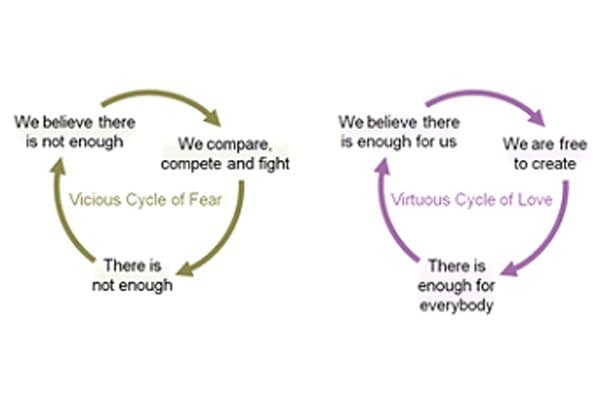
I once worked on a team where a cloud of negativity seemed to hang in the air. Every meeting felt heavy, every challenge was treated like a catastrophe, and by the end of the day, everyone was emotionally drained. It was a slow creep, but it began to impact everything from our creativity to our willingness to help one another. It taught me a powerful lesson: negativity is not just a bad mood; it is a cultural contagion that can quietly dismantle a team’s potential.
Moving away from that negativity is not about ignoring problems or forcing a smile. It is about making a conscious choice to change your focus and, for those in leadership, it is about intentionally building an environment where a positive mindset is the default, not the exception. This is a dual responsibility, requiring both personal practice and cultural leadership.
Part 1: A Practical Toolkit for Personal Positivity
Table of Contents
Before we can influence others, we must start with ourselves. Negativity often begins in our own minds, with the stories we tell ourselves about our circumstances. Here are some actionable steps I have found incredibly effective for reclaiming control over your inner dialogue.
1. Practice Mindful Acknowledgment The first instinct when a negative thought appears is to either fight it or let it consume you. A better approach is to simply acknowledge it without judgment. Think of it as a cloud passing in the sky. You see it, you name it (“There is that feeling of frustration”), and you let it float by without getting swept up in the storm. This simple act of observation creates distance and stops the thought from spiraling.
2. Reframe the Narrative How we frame a situation dictates how we feel about it. A “problem” feels like a wall, but a “challenge” feels like a mountain to be climbed. A “failure” feels final, but a “learning opportunity” feels like progress. The next time you face a setback, actively rephrase it. Instead of saying, “This project is a disaster,” try, “We have uncovered some unexpected challenges. What can we learn from this?” This is not about deception; it is about finding the empowering perspective.
3. Start a Gratitude Ritual This might sound cliché, but its power is backed by science. Negativity narrows our focus onto what is wrong. Gratitude does the opposite; it forces our brain to scan for what is right. I challenge you to try this for one week: at the end of each day, write down three specific things that went well. Not just “I had a good day,” but “The presentation went smoothly because I was well prepared,” or “My colleague helped me with a difficult task.” This trains your brain to notice the positive.
4. Set and Defend Your Boundaries Sometimes, negativity is external. It comes from chronic complainers or a toxic environment. You cannot change other people, but you can control your exposure to them. This means learning to set boundaries. It can be as simple as saying, “I only have a few minutes and need to focus on solutions right now,” or physically removing yourself from a conversation that is spiraling into unproductive complaining. Your mental energy is a finite resource; protect it fiercely.
5. Curate Your Inputs Our mindset is heavily influenced by what we consume. This includes the news we read, the social media we scroll through, and the conversations we engage in. If you start your day with a flood of bad news, you are priming your brain for negativity. Make a conscious choice to curate your inputs. Follow inspiring leaders, listen to uplifting podcasts, and spend time with people who energize you, not drain you.
Also Read: 21 Micro-Habits to Improve Wellness
Part 2: The Leader’s Role in Building a Positive Culture
An individual can be a beacon of positivity, but a leader can change the entire climate. If your team is struggling with negativity, it is essential to look at the environment you are helping to create.
1. Model the Behavior You Want to See The team takes its cues from the leader. If you complain, they will complain. If you are constantly stressed and pessimistic, that anxiety will spread. Conversely, if you approach challenges with calm, optimistic, and solution-focused energy, you set that as the standard for everyone else. Be vocal about what is going well and celebrate small wins publicly.
2. Foster Genuine Psychological Safety Negativity thrives in a climate of fear. When people are afraid to make mistakes, ask for help, or voice a dissenting opinion, they default to defensive, cynical behavior. As a leader, your most important job is to build psychological safety. This means treating failures as learning opportunities, encouraging open dialogue, and responding with curiosity instead of judgment.
Also Read: 5 Ways to Foster Psychological Safety at Your Workplace
3. Address Negativity Proactively and Privately While you want to encourage open dialogue, you cannot allow unchecked negativity to poison the team. If an individual is consistently creating a toxic atmosphere, it is your responsibility to address it. Have a private, empathetic conversation. Seek to understand what is driving their behavior and clearly explain the impact it is having on the team. This is not about punishment; it is about maintaining the health of the collective culture.
The Ultimate Takeaway
Moving away from negativity is not a one time fix. It is a continuous practice for an individual and a core, ongoing responsibility for a leader. It begins with each of us choosing to manage our own mindset, but it is sustained by leaders who build a culture of trust, optimism, and resilience.
When you foster this kind of environment, you do more than just make work more pleasant. You unlock the very creativity, collaboration, and engagement that drives extraordinary results.
If you are looking to build a more positive and resilient team culture, discover how our expert-led Team Journeys can help you turn these principles into practice.